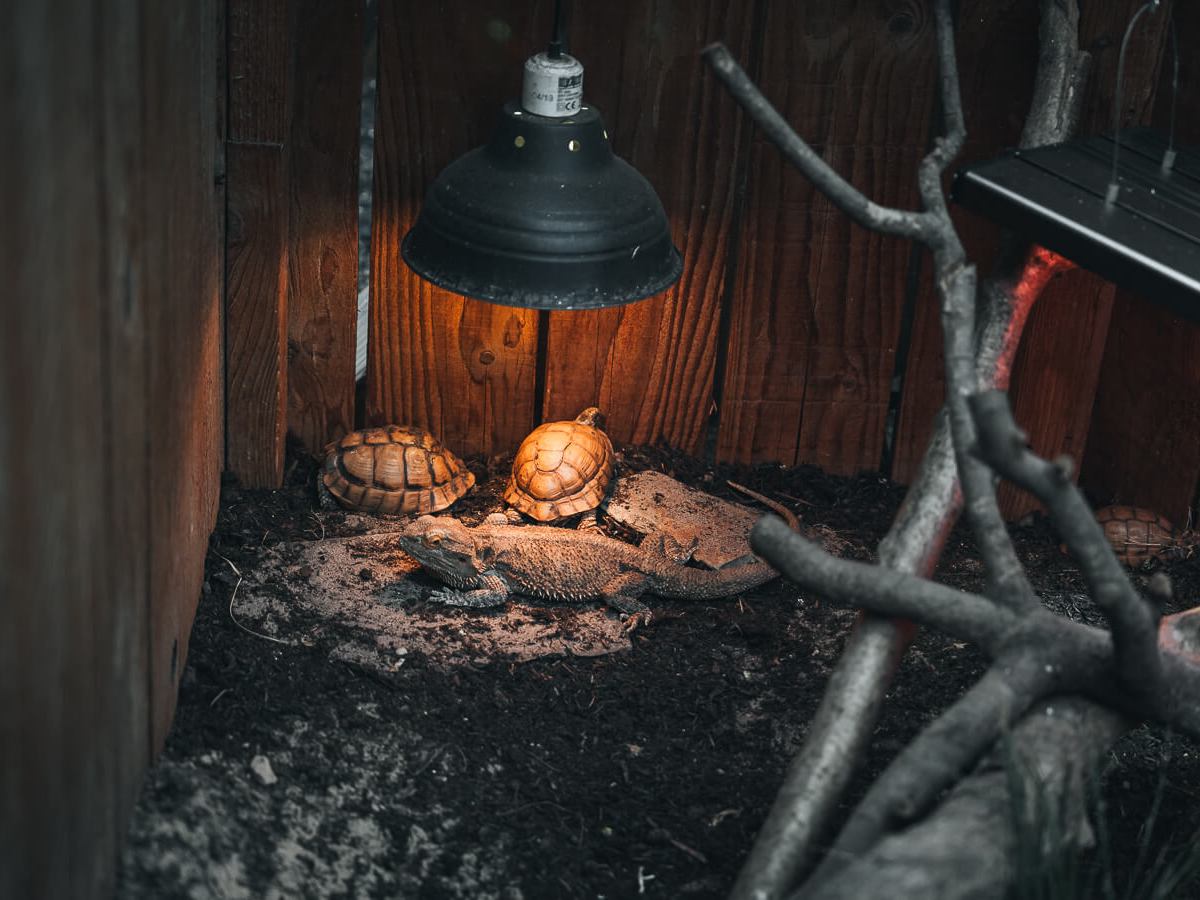
We take care of 50 different species of animal in Plantasia Tropical Zoo, with over 25% of those having some conservation concern in the wild. The most notable of these being the Egyptian Tortoise (Testudo kleinmanni).
Plantasia participates in the EEP (European Endangered Species Programme) for Egyptian tortoises and collaborates with a variety of other zoological institutions for the protection and conservation of the species.
Here at Plantasia, our mission is to
“Help prevent animal extinction by providing joyful and educational experiences”
Come and discover a mesmerising range of rainforest animals at Plantasia Tropical Zoo!
Axolotl
FOREVER YOUNG!Axolotls are a type of Salamander. They don’t metamorph so don’t grow into adulthood, they stay looking young for the rest of their life. If they did, they would look like Tiger Salamanders but with spots instead of stripes.
- DISTRIBUTION: Lake Xochimilco and Lake Chalco near Mexico City
- BELOW GROUND
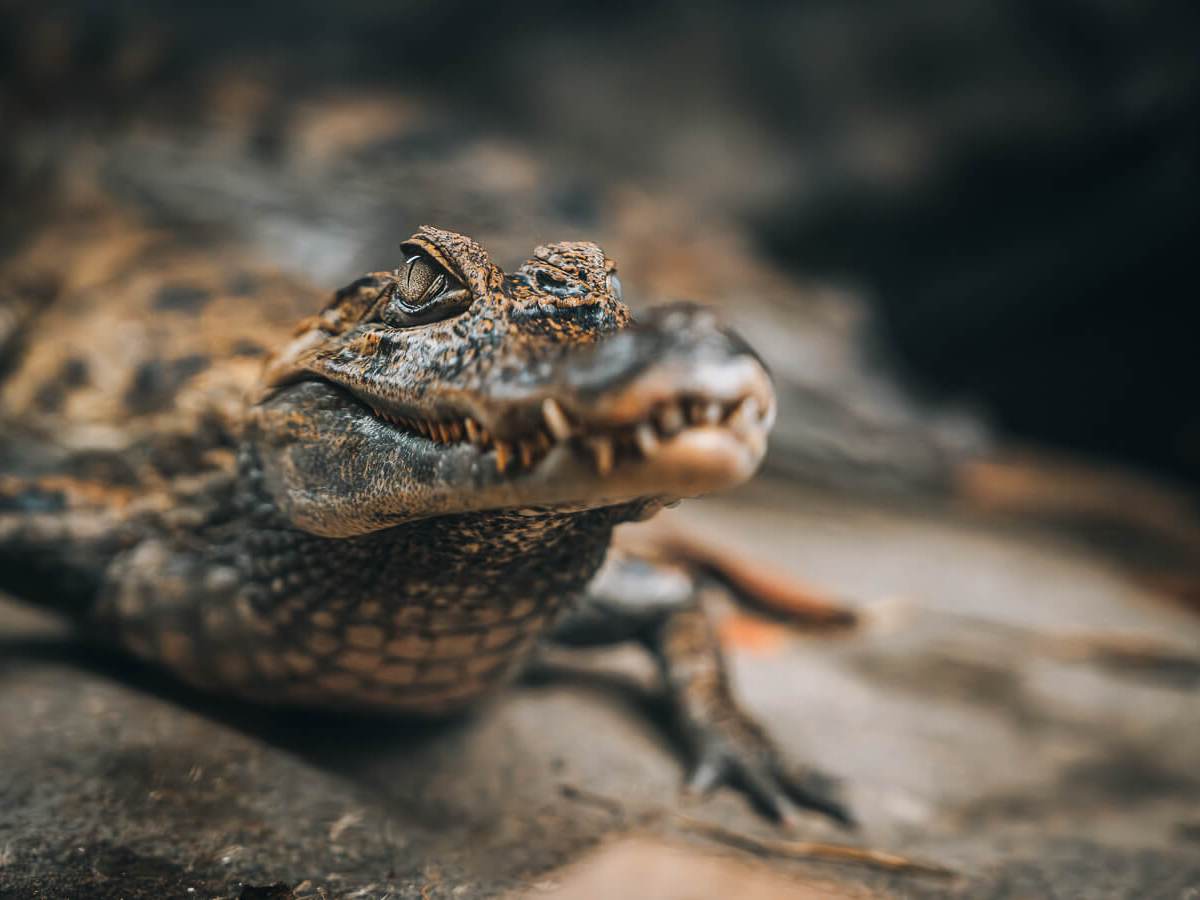
Caiman Crocodiles
BITE ME!These tough crocodiles have few natural predators so are amongst the top of the rainforest food chain.
Watch out! Adult crocs have the strongest bite ever measured… an enormous 16,460 Newtons of bite force. A Lion only has 1,314.7!
SHUT IT!
But, a croc’s muscles to open the jaw are weak so a human can use their bare hands to keep Crocodiles mouths shut.
- DISTRIBUTION: Central & South America
- FORT CROX
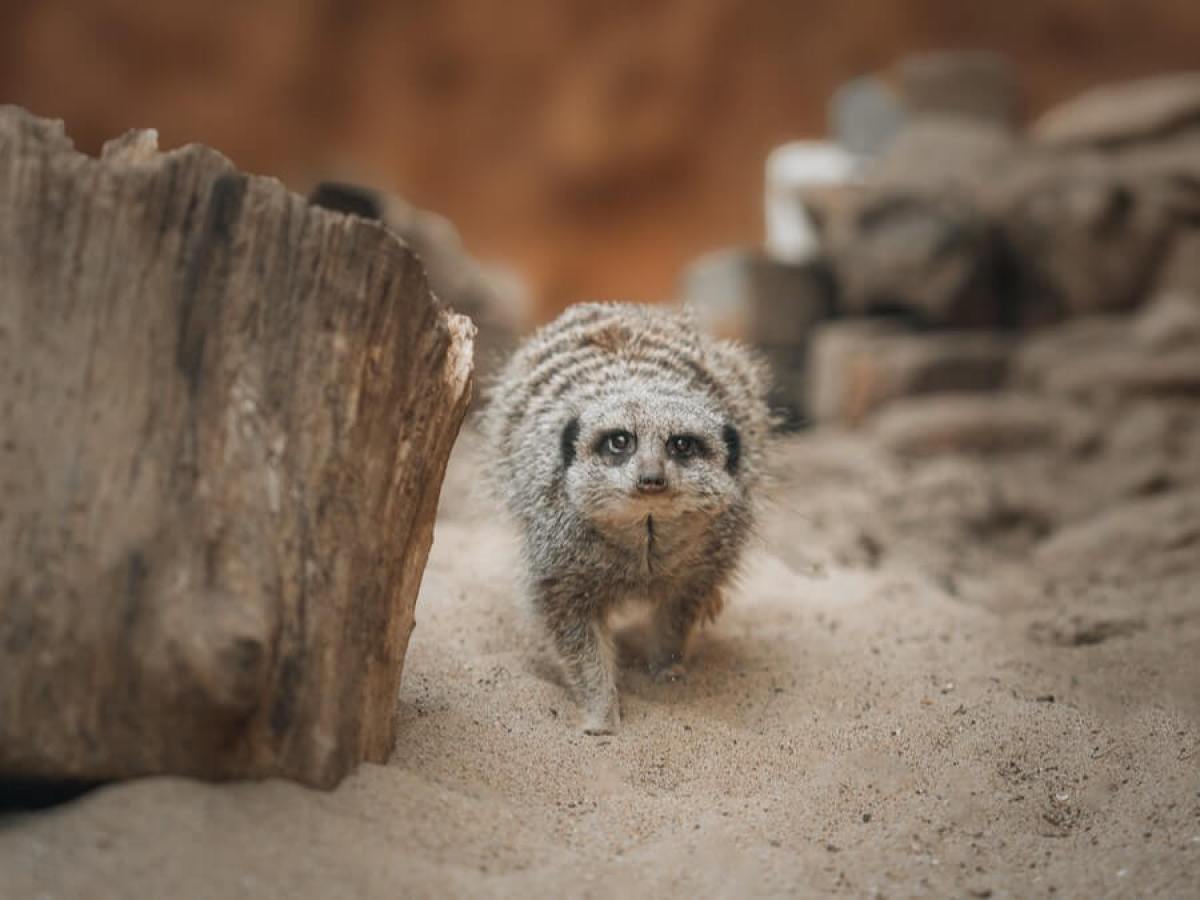
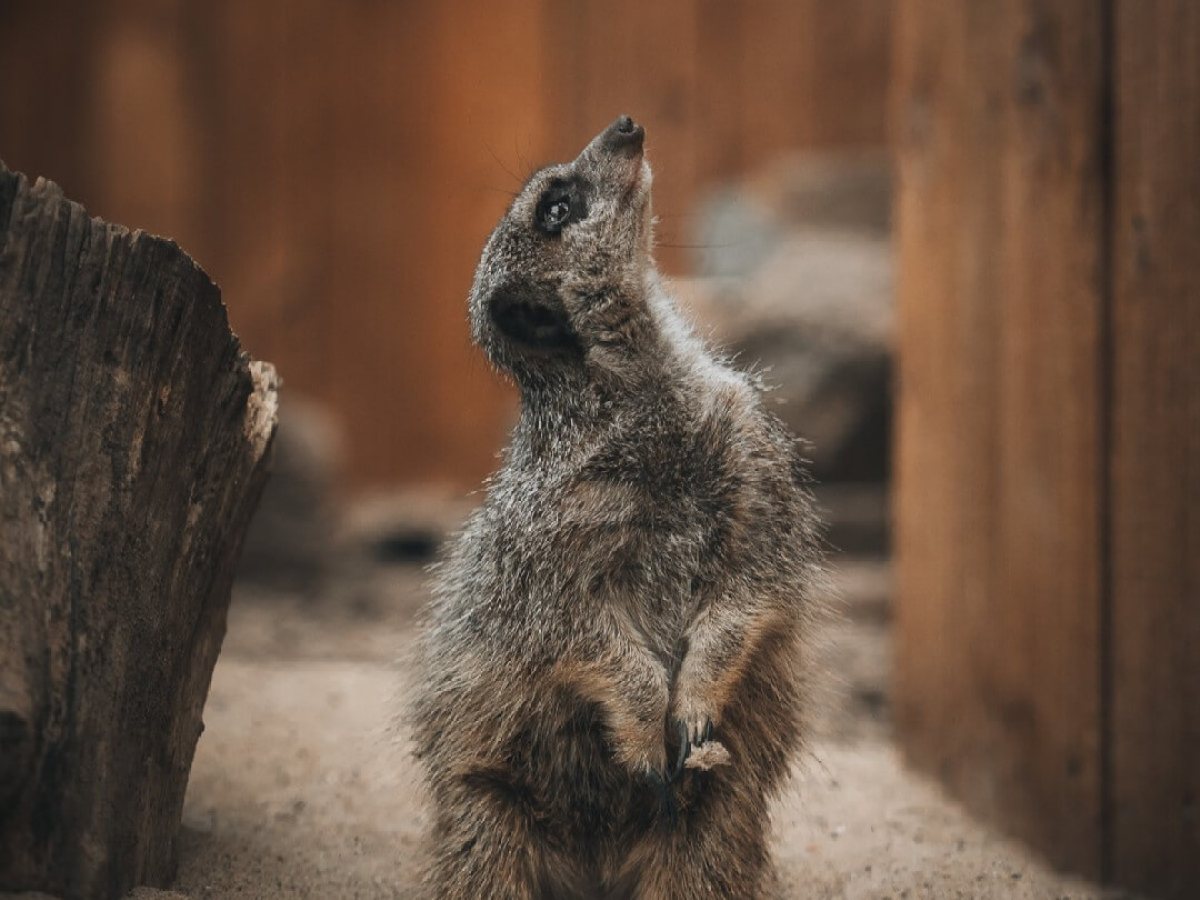
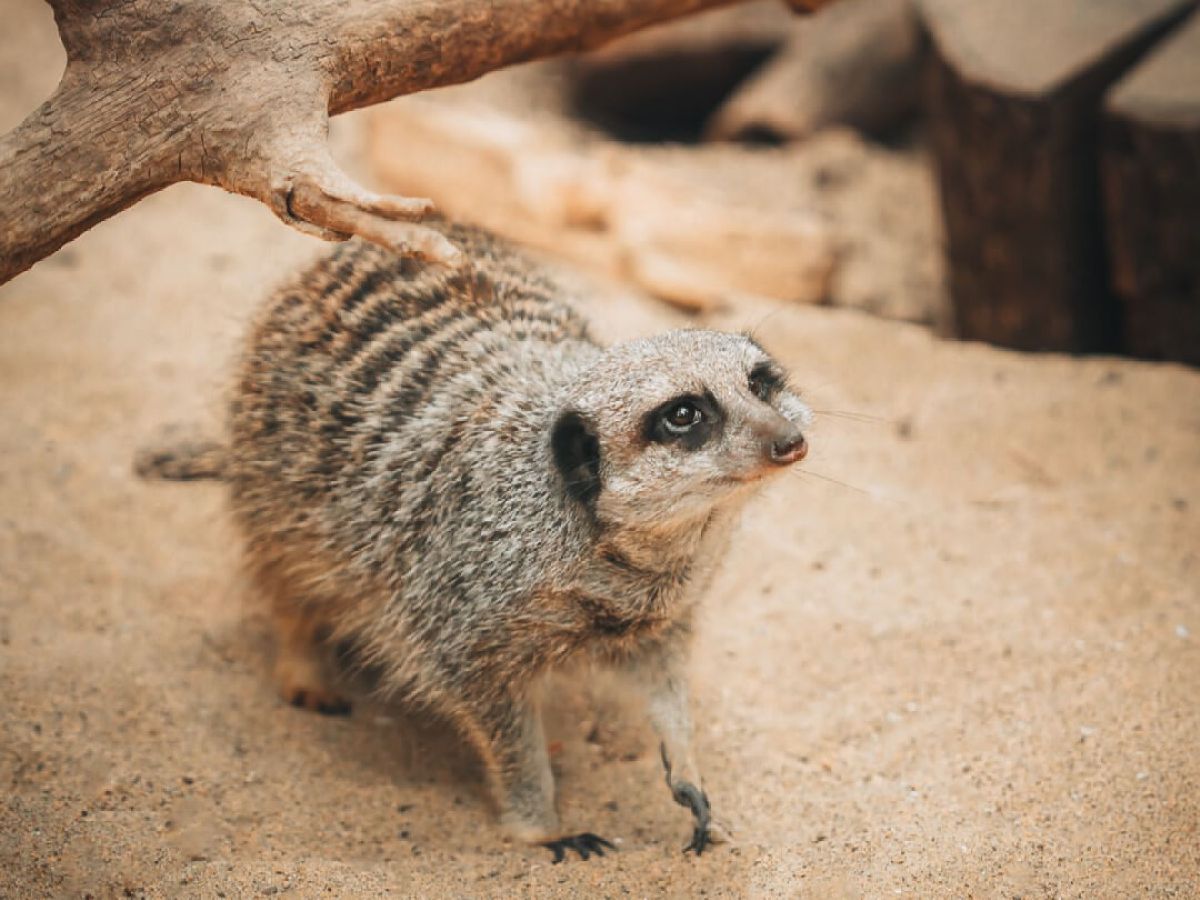
Meerkats
HEADS-UP!Imagine living with 50 brothers and sisters! Meerkats live in huge family gangs in dusty burrows underground. Pop up into their burrow to get nose to nose with the family!
- DISTRIBUTION: Deserts and Grasslands of Africa
- ARID CLIMATE
Green-winged Macaw
LITTER BUGMacaws are good for the forest, they’re messy eaters and drop a lot of seed on the ground – spreading the seed throughout the forest, helping to grow new plants.
SAY HELLO
Parrots are extraordinarily intelligent birds, if you say hello, they might just say hello back!
- DISTRIBUTION: South and Central America
- CANOPY
Green Iguana
Tree-lover!Oscar, our Green Iguana, is a large, herbivorous lizard – a species that originates from southern Brazil to Mexico. Growing up to 1.7 meters long, this arboreal species is also known as the American iguana and comes in various colours and types.
- DISTRIBUTION: Central and South America
- TOWARDS THE CANOPY!
Burmese Python
SQUEEZE!Clyde our Burmese Python is the 4th largest snake by weight or length. Unfortunately, he is also an invasive species in the Florida Everglades.
- DISTRIBUTION: Southern and South-East Asia
- FOREST FLOOR
Leopard Cats
MINI HUNTERSOur Leopard Cat Nala, has all the characteristics and looks of a deadly Leopard, but is only the size of a house cat. Definitely cute, but definitely deadly!
- DISTRIBUTION: Continental South, Southeast and East Asia
- CANOPY
Asian Water Monitor
Cleanup CrewHaku, our Asian Water Monitor is a large lizard found in the wild near water in Asia. They are excellent swimmers, inhabiting rivers, swamps, and forests. Their diet includes fish, frogs, and small mammals, helping keep the environment clean by eating decaying flesh.
- DISTRIBTION: South East Asia
- NEAR FORT CROX
Sailfin Lizard
Sail-Backed SwimmerThe Philippine Sailfin Lizard, has a sail-like crest on its tail and grows up to 3-4 feet long. Also known as Sailfin Dragons, they are excellent swimmers, that live near water and eat plants, fruits, insects, and crustaceans. Discover Phillis’ story on how she came to Plantasia Tropical Zoo on your next visit.
- DISTRIBUTION: The Philippines: Rainforests and Wetlands
- THE WATERING HOLE
Things that lurk beneath!
A BUGS LIFE!- Giant African Land Snails
- Madagascar Hissing Cockroaches
- Goliath Birdeater Tarantula
- Chilean & Red Knee Tarantulas
- Flower Beetles
- Sun beetles
- and more!
- BELOW GROUND
Millipedes
LEG-ENDARY!With up to 400 legs, these gentle giants are among the largest millipedes in the world.
Native to parts of East Africa, Giant African Millipedes are detritivores, feeding on decaying leaves and plant matter. By breaking down dead material, they help recycle nutrients back into the soil.
When threatened, they curl into a tight spiral and can release a mild defensive secretion to deter predators.
- DISTRIBUTION: East Africa
- THE WATERING HOLE
Madagascar Hissing Cockroaches
HISS-TERICAL!These giant insects don’t chirp or buzz… they hiss!
Native to Madagascar, these cockroaches produce their famous hissing sound by forcing air through tiny breathing holes called spiracles. They hiss to scare off predators and during battles between males.
- DISTRIBUTION: Madagascar
- WATERFALL CAVE
Vital Venoms & Practical Poisons
SPECIES WITH SUPER-POWERS!- Fire-bellied Toads
- Poison Dart Frogs
- Mangrove Snake
- Salmon-pink bird-eater tarantula
- Assassin bugs
- Asian forest scorpion
- Garter snakes
- and more!
- VITAL VENOMS & PRACTICAL POISONS ROOM
Koi carp
LIVING JEWELSGliding through the water in flashes of gold, white, orange and black, Koi Carp are often called “living jewels”.
Koi are ornamental varieties of the common carp, originally bred in Japan for their striking colours and patterns. Each fish has unique markings, making no two exactly alike. In Japanese culture, koi symbolise perseverance and good fortune.
Although peaceful and graceful, they are powerful swimmers and can grow surprisingly large with the right conditions.
- DISTRIBUTION: Japan and the Far East
- THE WATERING HOLE
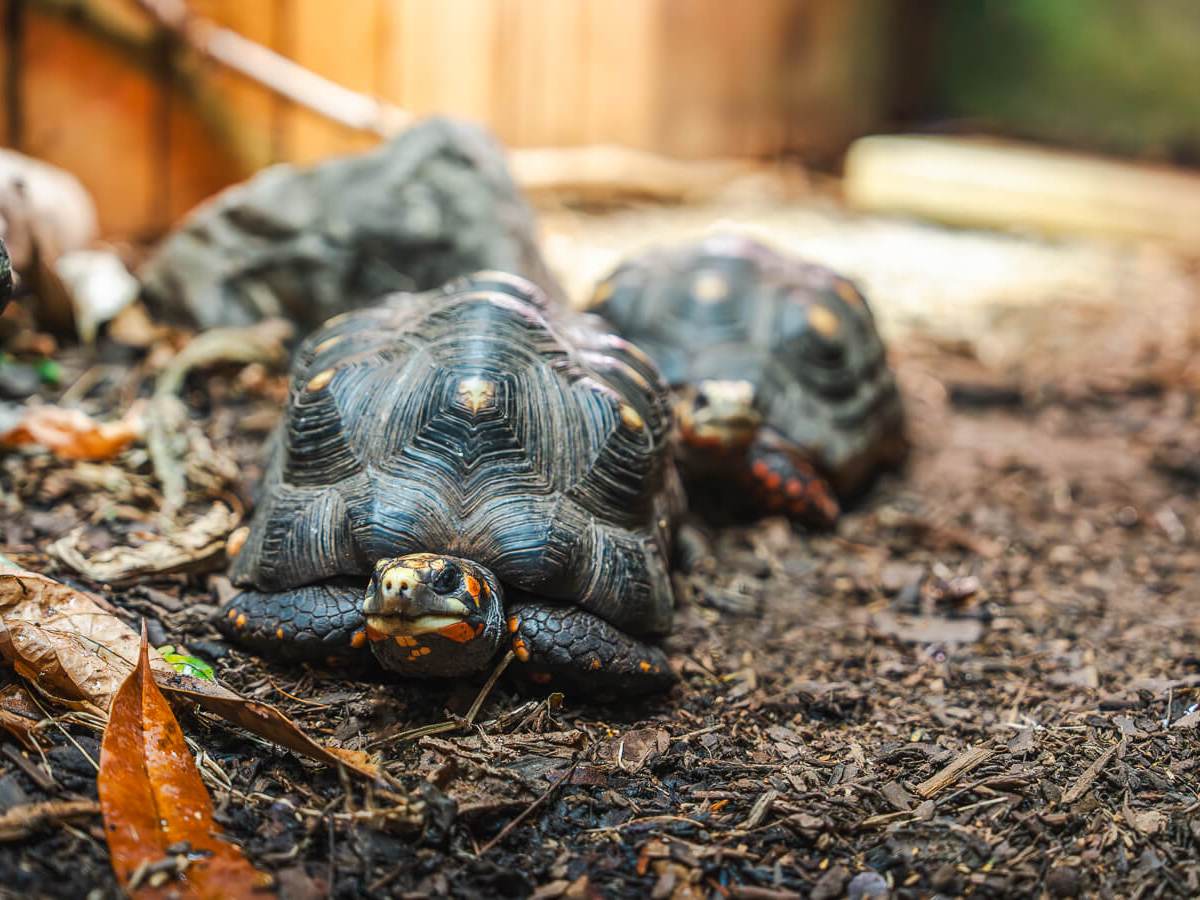
Red-footed tortoise
SLOW AND STEADYDon’t let the relaxed pace fool you — these colourful tortoises are built for life in the rainforest.
Native to northern South America, Red-footed Tortoises live in warm forests and savannahs where they forage for fallen fruit, flowers, fungi and leafy plants. Unlike many tortoise species, they are omnivorous and will occasionally eat insects or carrion.
Their name comes from the bright red, orange or yellow scales on their legs and head — each individual’s markings are slightly different.
- DISTRIBUTION: Northern South America
- NEAR THE WATERFALL CAVE
Edward's Pheasant
FOREST PHANTOMOnce thought to be extinct in the wild, this striking bird is one of the rarest pheasants on Earth.
Native to the lowland forests of central Vietnam, Edward’s Pheasant suffered dramatic declines due to habitat loss and hunting. For many years, there were no confirmed wild sightings, and the species is now listed as Critically Endangered. Conservation breeding programmes across the world are working to safeguard its future.
- DISTRIBUTION: Central Vietnam
- FREE-ROAMING THROUGHOUT THE GLASSHOUSE
Lau Banded Iguana
Treetop BalanceThe Lau Banded Iguana, adorned with short crests and white or blue bands, forages and basks during the day, retreating to treetops at night. As herbivores, they eat leaves, fruit, and flowers, using their long tails for balance while climbing.
- DISTRIBUTION: Fiji's Lau Islands
- FOREST FLOOR
Manyara Tilapia
Ecosystem KeyManyara Tilapia have short snouts and small eyes. Males turn pink when breeding. They are crucial to their ecosystem but face threats from overfishing and invasive species. They practice mouthbrooding, carrying eggs in their mouths until hatching.
- DISTRIBUTION: Tanzania's Lake Manyara
- GROW YOUR IMAGINATION EDUCATION ROOM
White-Cheeked Turaco
Colour SplashThe white-cheeked turaco stands out with its vibrant green feathers, white face, and red beak. Notably, its red feathers can turn water pink when stirred into it.
- DISTRIBUTION: Highland regions of Sudan, South Sudan, Ethiopia, and Eritrea
- CANOPY
Red Ear Slider
Water WandererRed-eared sliders, slide from rocks into water. Commonly invasive in Europe, Australia, and India due to pet abandonment, their shells are made of keratin, the same material as human fingernails and hair!
- DISTRIBUTION: Southern USA
- FOREST FLOOR
Egyptian Tortoise
Endangered GemThe Egyptian Tortoise, or Kleinmann’s Tortoise, is the second smallest tortoise species and faces extinction. Found in deserts, it eats plants but is threatened by capture for the pet trade. It is the smallest tortoise in the Northern Hemisphere.
Read all about our Egyptian Tortoise on our blog!
- DISTRIBUTION: Libya, Egypt
- ARID CLIMATE
Panther Chameleon
Colour-ChangingThe Panther Chameleon is vibrant and can change colour to express emotions and defend its territory. Males are larger and more colourful. Their long tongues catch insects, and their eyes move independently for a 360-degree view.
- DISTRIBUTION: Madagascar
- UNDERGROUND ZONE
Beaded Lizard
Rare and VenomousThe Rio Fuerte Beaded Lizard, has black and yellow bands. It primarily eats eggs and small animals. One of only two venomous lizards, its venom is used in medicine. It is protected due to its rarity.
- DISTRIBUTION: Mexico and Guatemala.
- VITAL VENOMS & PRACTICAL POISONS
Crested Gecko
Tail-TacticsThe Crested Gecko was rediscovered in 1994 after being thought extinct. Measuring 8-10 inches long, it has hair-like projections above its eyes that look like eyelashes, and licks them clean. It can shed its tail to escape predators.
- DISTRIBUTION: New Caledonia
- UNDERGROUND ZONE
MEET ALL OUR ANIMALS & DISCOVER MORE AMAZING FACTS